
The War on Terror and the Battle for Young Minds
 February 23, 2023 / Andrea Mazzarino / Tomdispatch - During a Veterans Day celebration in my small Maryland community, a teacher clicked through a slideshow of smiling men and women in military uniforms. “Girls and boys, can anyone tell me what courage is?” she asked the crowd, mostly children from local elementary schools, including my two young kids.
A boy raised his hand. “Not being scared?” he asked.
The teacher seized on his response: “Yes!” she exclaimed. “Not being scared.” She proceeded to discuss this country’s armed forces, highlighting how brave U.S. troops are because they fight to defend our way of life. Servicemembers and veterans in the crowd were encouraged to stand. My own children beamed, knowing that their father is just such a military officer. The veterans and troops present did indeed stand, but most of them stared at the ground. As a counselor who works with children, including those from local military families, I marveled that the teacher was asking the young audience to dismiss one of the most vulnerable emotions there is — fear — in the service of armed violence.
No mention was made of what war can do to those fighting it, not to speak of civilians caught in the crossfire, and how much money has left our country’s shores thanks to armed conflict. That’s especially true, given the scores of U.S.-led military operations still playing out globally as the Pentagon arms and trains local troops, runs intelligence operations, and conducts military exercises.
That week, my children and others in schools across the county spent hours in their classrooms celebrating Veterans Day through a range of activities meant to honor our armed forces. My kindergartener typically made a paper crown, with six colorful peaks for the six branches of service, that framed her little face. Kids in older grades wrote letters to soldiers thanking them for their service.
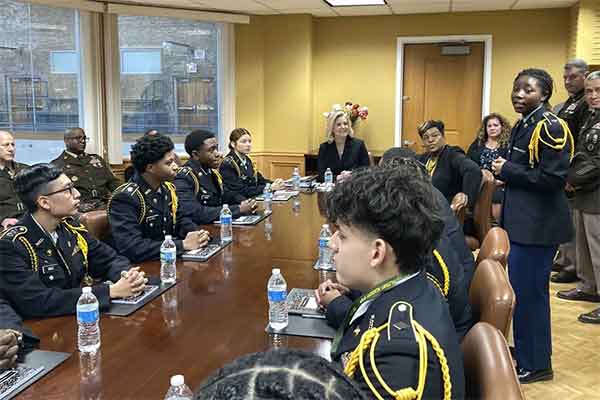 March 5, 2023 / Lolita C. Baldor / AP News - Army recruiters struggling to meet enlistment goals say one of their biggest hurdles is getting into high schools, where they can meet students one on one. But they received a recent boost from a recruiting advocate whom school leaders couldn’t turn away: the secretary of the Army.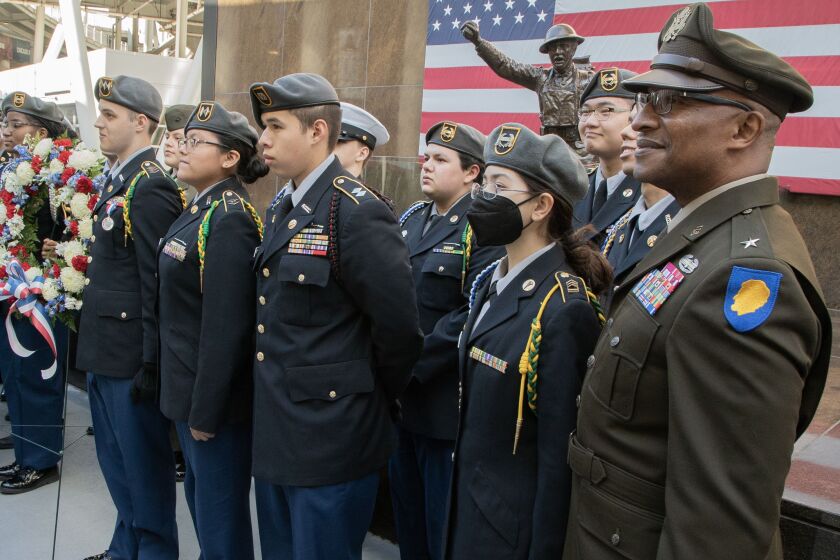

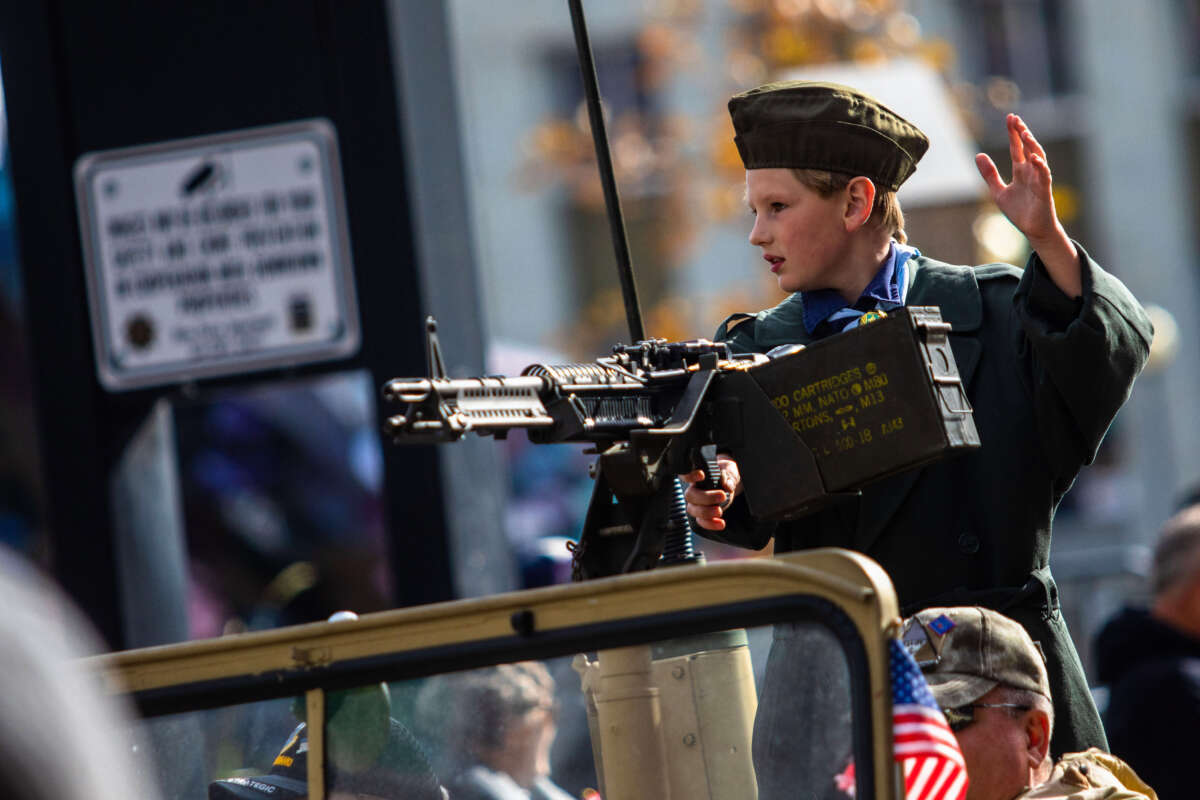 February 23, 2023 / Andrea Mazzarino / Truthout - During a Veterans Day celebration in my small Maryland community, a teacher clicked through a slideshow of smiling men and women in military uniforms. “Girls and boys, can anyone tell me what courage is?” she asked the crowd, mostly children from local elementary schools, including my two young kids.